No.19 Electronic Information Industry Park, Anfeng Town, Dongtai City, Jiangsu,China WhatsApp: +86 19941574218 CN
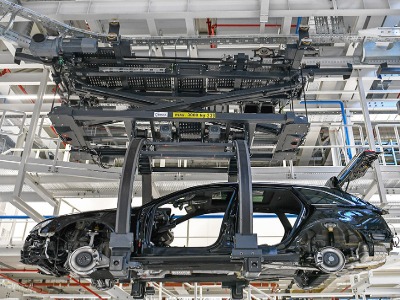
Electric Monorail System (EMS) Drive Wheel for Automotive Manufacturing: High-strength material (HRC55+), sealed structure & double-wheel design, adapts to welding/painting/final assembly, ensures load-bearing & stable operation.
Among the numerous components of the EMS (Electrified Monorail System), the drive wheel (Electrified Monorail System Wheel) serves as a core component that directly bears loads and enables movement. Its performance is directly related to the reliability, safety, and service life of the entire transmission system, playing an irreplaceable role in the harsh scenarios of automotive manufacturing.

The core requirements for EMS drive wheels in automotive manufacturing scenarios stem from the particularity of inter-process transmission. They not only need to bear workpieces of different weights such as body shells and powertrains but also adapt to complex operating conditions in the workshop, including multiple curves, height differences, and continuous start-stop operations. At the same time, they must meet the strict production rhythm requirements of the automotive industry. To address the harsh demands of automotive manufacturing, EMS drive wheels have developed distinct technical characteristics in material selection, structural design, and performance optimization.
In terms of materials, the drive wheel body is mostly made of high-strength alloy steel or wear-resistant cast iron. Through heat treatment processes such as quenching and carburizing, the wheel surface hardness reaches above HRC55, which effectively improves the wear resistance and load-bearing strength of the wheel body and can withstand the long-term pressure of heavy workpieces such as vehicle bodies. For scenarios with high cleanliness requirements such as painting workshops, some drive wheels are also wrapped with polyurethane (PU) on the wheel surface, which can not only reduce debris generated by track wear but also lower noise during operation.
In terms of structural design, the drive wheel mostly adopts double-row angular contact ball bearings or self-aligning roller bearings, combined with a sealed dust-proof structure, which can effectively block impurities such as dust, welding slag, and oil in the workshop from entering the bearing interior, ensuring smooth operation even in harsh environments. At the same time, the symmetric layout design of double wheels further improves the uniformity of load distribution and avoids wheel body deformation caused by local overloading.
From the vibration load in the welding workshop to the cleanliness requirements in the painting workshop, and from the precise transportation in the final assembly workshop to the intelligent condition monitoring, the technical characteristics of EMS drive wheels are highly compatible with the process requirements of automotive manufacturing. They not only improve production efficiency and product quality but also promote the development of automotive manufacturing logistics systems towards a more reliable, intelligent, and energy-efficient direction.
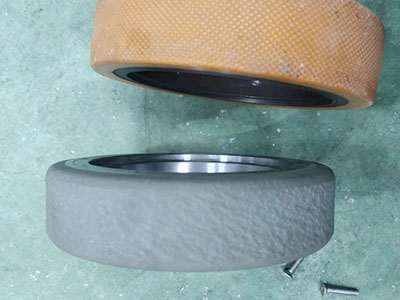
Learn how to choose the right food-grade wheels. Discover why stainless steel casters and polyurethane treads are optimal for hygiene and heavy loads.
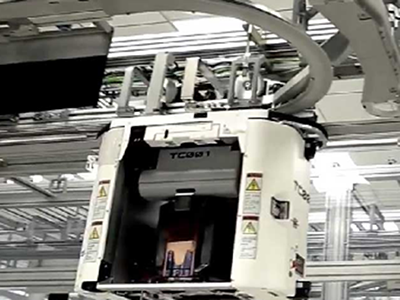
We have launched cleanroom-compatible polyurethane wheels, delivering ESD-safe mobility solutions for semiconductor AMHS and diverse high-tech logistics environments.
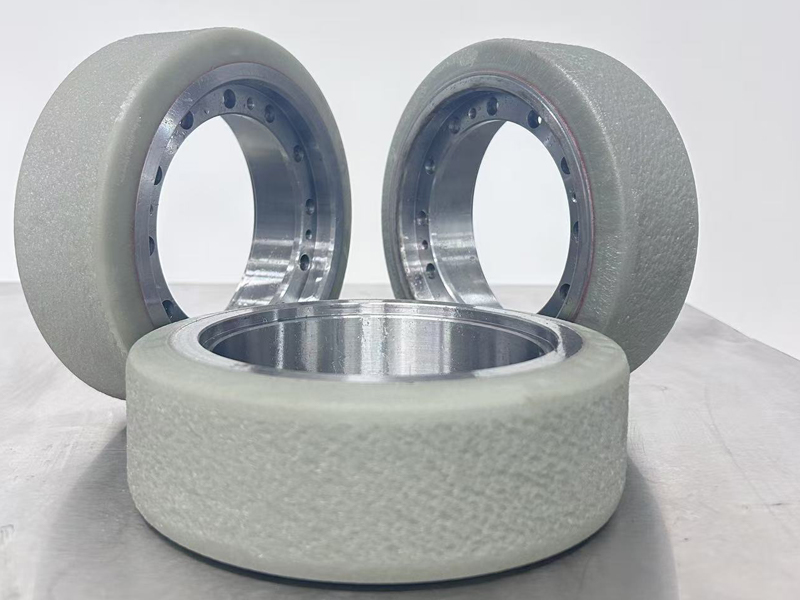
Food-grade polyurethane (PU) wheels for bakery equipment offer durable, non-slip, and hygienic solutions for bakery trolleys, conveyors, and food processing machinery.
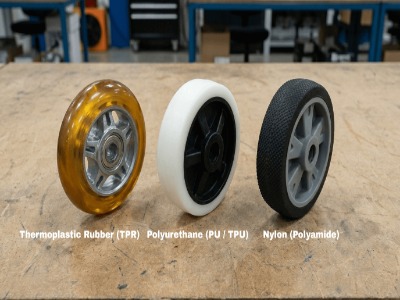
Compare Polyurethane, Nylon, and TPR based on particulate shedding, chemical resistance, and ESD properties. Learn how choosing the right wheel can improve product yield in semiconductor, pharmaceutical, and biotech environments.
Mailun is a Chinese supplier specializing in custom wheels for industrial automation production equipment used in food processing, automotive manufacturing, semiconductor cleanrooms, and other industries. Contact us for more information.