
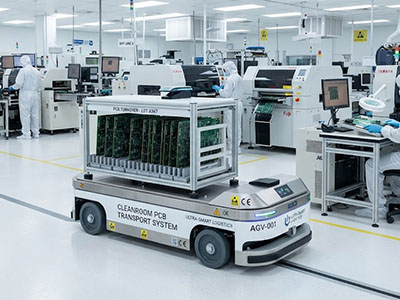
In cleanroom environments—such as semiconductor fabrication, pharmaceutical manufacturing, precision electronics, and biotechnology—the wheels on mobile equipment are often underestimated. Choosing the wrong material can lead to particulate generation, molecular contamination (outgassing), or electrostatic discharge (ESD) failures. These factors can directly cause a drop in production yield or trigger catastrophic contamination.
1. Core Performance Requirements
Materials utilized in high-purity environments must satisfy three rigorous technical indicators:
Low Particulate Generation (Low Shedding & Outgassing): Materials must possess high molecular stability to avoid peeling or shedding, even under high-load, high-torque maneuvering.
Chemical & Corrosion Resistance: Surfaces must withstand frequent decontamination using aggressive disinfectants or IPA (Isopropyl Alcohol) without degrading or softening.
Non-Marking & Floor Preservation: Wheels must prevent surface transfer (skid marks) or mechanical damage to sensitive conductive epoxy or PVC flooring.
2. Advanced Material Analysis
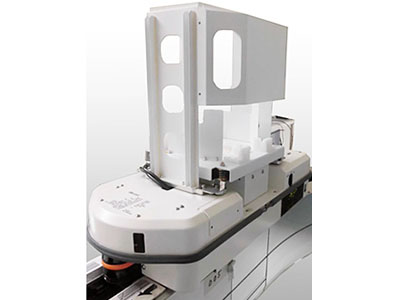
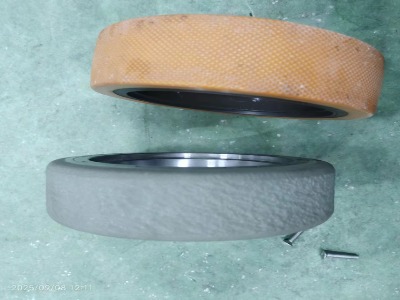
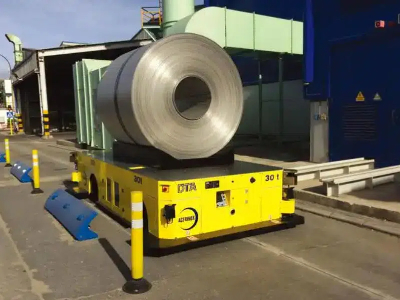
In cleanroom applications, Cast Polyurethane (CPU) is widely recognized as the industry benchmark. Unlike standard TPU, CPU features a unique cross-linked molecular structure that provides superior thermal stability and significantly lower outgassing rates, effectively preventing molecular contamination. With its exceptional wear resistance, high dynamic load-bearing capacity, and low operational noise, CPU has become the preferred choice for AGV drive wheels, precision mobile workstations, and various medium-to-heavy-duty equipment.
For applications requiring ultra-low rolling resistance and robust chemical stability, high-performance engineering nylon stands out. As a high-rigidity material, it produces virtually no particulate shedding and exhibits outstanding resistance to various chemical agents. However, it is important to note that due to its extreme hardness, this material is best suited for scenarios where the floor surface is exceptionally smooth and long-term support for heavy-duty loads is required.
When it comes to protecting sensitive materials against vibration, cleanroom-grade Thermoplastic Rubber (TPR) is the optimal solution. It skillfully combines the elasticity of rubber with the cleanliness of polymer materials, making it highly effective at protecting fragile wafers, optical lenses, or precision modules from shock. It is crucial to ensure that only "cleanroom-grade" TPR is utilized to mitigate the risk of molecular contamination (AMC) caused by the outgassing of plasticizers found in lower-quality alternatives.
3. ESD & Conductivity Control
In cleanroom environments, static electricity not only attracts dust and particulate matter but can also trigger Electrostatic Discharge (ESD) events, which may puncture or destroy sensitive integrated circuits. To effectively manage static, wheelsets are typically categorized into "dissipative" and "conductive" types. Dissipative wheels generally maintain a surface resistance between 10^6Ω and 10^9 Ω, allowing for the controlled and gentle release of static to avoid sudden current spikes. In contrast, conductive wheels feature a surface resistance of less than 10^6Ω, providing a direct path for static dissipation. We achieve these characteristics by incorporating advanced conductive polymers or specialized carbon compounds, ensuring that conductive performance remains consistent and stable over the long term, even as the wheel surface wears down.
4. Hardware Integration: Beyond the Tread
The reliability of a wheel is defined by more than just its tread material; its internal structure and mechanical components are equally critical. To meet rigorous cleanroom standards, we have implemented comprehensive protective measures for our rigs and bearings. All wheel frames and brackets are crafted from 304 or 316 stainless steel to completely eliminate oxidation and the generation of metallic debris. The bearings feature a fully sealed design that effectively locks in internal lubricant to prevent leakage while simultaneously blocking external contaminants from entering the bearing race. Furthermore, we exclusively utilize specialized, low-volatility synthetic greases engineered specifically for cleanroom applications, minimizing the risk of molecular outgassing at the microscopic level.
By combining high-purity materials, precision engineering, and rigorous ESD control, we provide the ultimate wheel solution to safeguard your yield and ensure seamless logistics in the most demanding cleanroom environments.