
No.19 Electronic Information Industry Park, Anfeng Town, Dongtai City, Jiangsu,China WhatsApp: +86 19941574218 CN
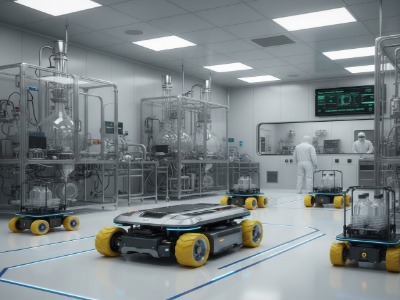
High-performance polyurethane drive wheels have gold standard for ensuring safety, purity, and durability in AGV/AMR-driven Pharma 4.0 cleanrooms.
With the advancement of Pharma 4.0. AGVs and AMRs have become the backbone of cleanroom logistics. However, in high-standard chemical and pharmaceutical environments, mobile robot drive systems face a triple challenge: cleanliness maintenance, explosion-proof safety, and chemical corrosion resistance. This article explores how high-performance Polyurethane (PU) technology addresses these critical industry pain points.
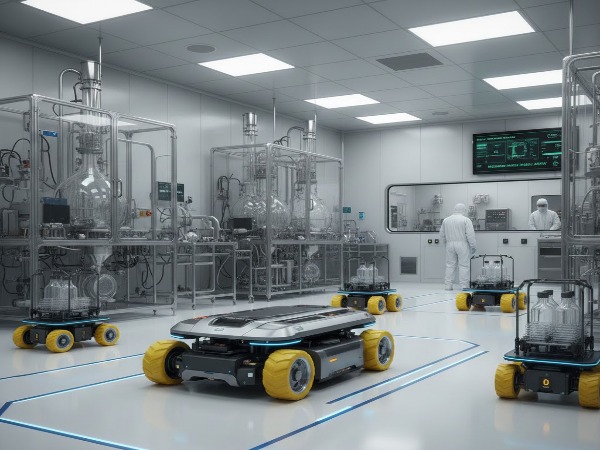
I. Industry Background: The Stringent Operating Environment
In pharmaceutical OEB-rated areas or precision chemical production lines, floors are typically finished with expensive epoxy or polyurethane self-leveling coatings. These zones control contaminants at the micron level. Standard mobile equipment wheels often produce debris or leave indelible marks during frequent starts, stops, and pivots. This is not just a cosmetic flaw—it is a significant risk factor for cross-contamination.
II. Core Technology: Four Evolutionary Pillars of High-Performance PU
1. Non-Marking Technology
Unlike traditional carbon-black filled rubber wheels, PU wheels designed for cleanrooms utilize high-purity synthetic polyols.
Zero Contamination: They leave no physical scratches or chemical migration marks on light-colored epoxy floors, even during heavy-duty 360° zero-turn maneuvers.
Low Attrition Rate: Superior wear resistance ensures minimal dust shedding, meeting ISO 14644-1 cleanroom standards.
2. ESD & ATEX Compliance (Safety in Explosive Atmospheres)
In Active Pharmaceutical Ingredient (API) production or solvent storage, explosion-proofing is the top priority.
Volumetric Conductivity: Leading drive wheels incorporate conductive carbon nanotubes or anti-static agents uniformly within the polyurethane molecular chain, maintaining a stable resistance.
Endurance: Unlike low-end products with surface-only coatings, the conductivity of high-performance PU wheels does not degrade as the wheel wears, fundamentally eliminating spark risks from triboelectric charging.
3. Flat-Spot Resistance
Pharmaceutical AGVs often require long-duration static positioning at weighing or filling stations.
Dynamic Load Optimization: High-performance PU features extremely low tangent loss, resulting in minimal internal heat buildup and exceptional shape memory. Even after prolonged static loading, the wheel regains its perfect circularity instantly upon startup, preventing vibrations caused by "flat spots."
4. Hydrolysis & Chemical Resistance
Cleanrooms undergo periodic sterilization using Vaporized Hydrogen Peroxide (VHP) or 75% isopropyl alcohol.
Hydrolytic Stability: By utilizing polyether-based rather than standard polyester-based polyurethane, these wheels offer inherent resistance to hydrolysis. They withstand humidity and harsh cleaning agents, preventing surface peeling or debonding.
III. Conclusion
In the automation blueprint of modern Chemical & Pharma lines, the polyurethane drive wheel is more than just a consumable—it is a critical component for ensuring drug purity and operational safety. By integrating non-marking, conductive, and corrosion-resistant properties, high-performance PU wheels have become the gold standard for pharmaceutical equipment upgrades.
Don't let subpar wheel selection compromise your ISO certification or production safety. Contact our technical engineering team for a customized wheel material compatibility report and upgrade your AGV/AMR fleet to the highest industrial standards. [Request a Technical Consultation]
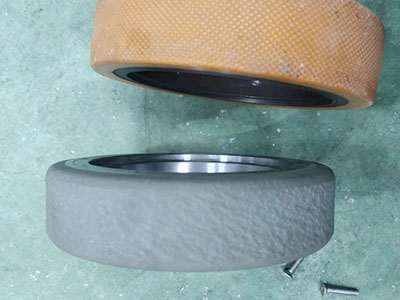
Learn how to choose the right food-grade wheels. Discover why stainless steel casters and polyurethane treads are optimal for hygiene and heavy loads.
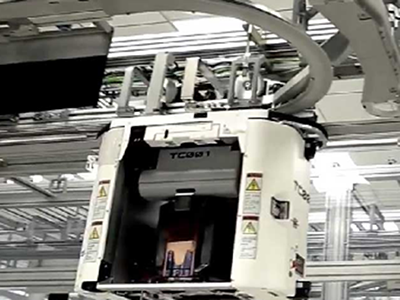
We have launched cleanroom-compatible polyurethane wheels, delivering ESD-safe mobility solutions for semiconductor AMHS and diverse high-tech logistics environments.
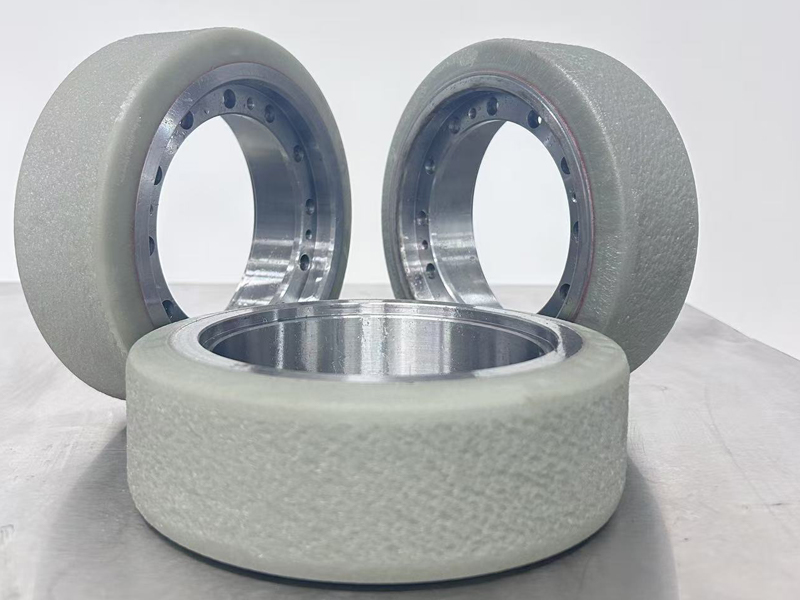
Food-grade polyurethane (PU) wheels for bakery equipment offer durable, non-slip, and hygienic solutions for bakery trolleys, conveyors, and food processing machinery.
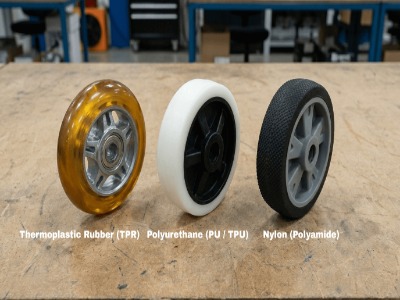
Compare Polyurethane, Nylon, and TPR based on particulate shedding, chemical resistance, and ESD properties. Learn how choosing the right wheel can improve product yield in semiconductor, pharmaceutical, and biotech environments.
Mailun is a Chinese supplier specializing in custom wheels for industrial automation production equipment used in food processing, automotive manufacturing, semiconductor cleanrooms, and other industries. Contact us for more information.