
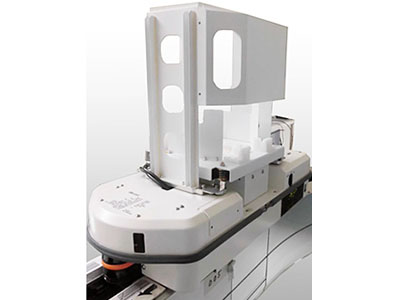
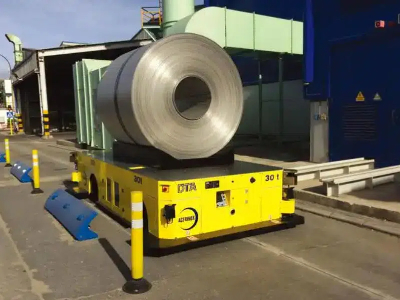
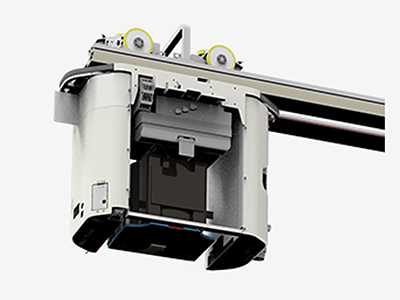
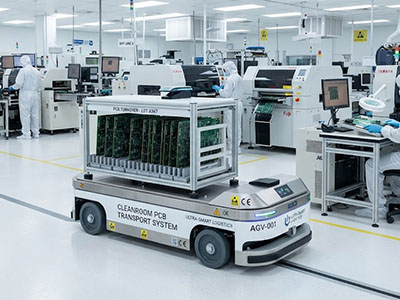
AMR (Autonomous Mobile Robot) is a core intelligent equipment in the fields of intelligent manufacturing and smart logistics. Eliminating the need for pre-installed guidance devices such as magnetic strips and QR codes, it leverages lidar, visual sensors, and SLAM algorithms to achieve environmental perception, dynamic path planning, and autonomous obstacle avoidance. Functioning like an autonomous vehicle, it flexibly adapts to complex scenarios. As a critical component of its walking system, polyurethane-coated wheels boast versatile performance tailored for high-frequency start-stop operations and frequent steering, serving as the core guarantee for AMR’s stable operation and high-efficiency work. Together, they drive the transformation of automated handling toward flexibility and intelligence.
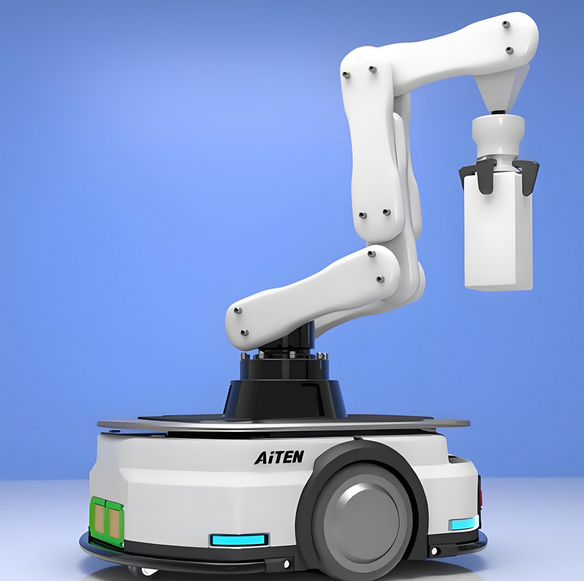
Polyurethane-Coated Wheels for AMR: Customized Performance Core Components
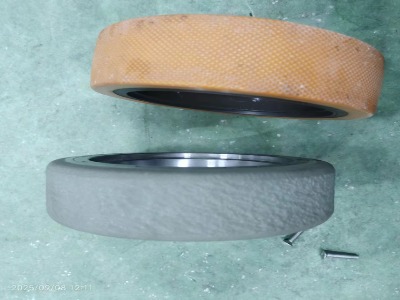
Polyurethane-coated wheels are the critical feet enabling AMR’s smooth operation. Tailored to AMR’s requirements for high-frequency start-stop, frequent steering, and multi-scenario adaptation, they feature exclusive optimizations in material formulation and structural design.
High Load Capacity Combined with Stability: Adopting a composite structure of metal wheel cores (45# steel, ductile iron, or aluminum alloy) and polyurethane elastomers, the static load capacity of a single wheel can reach 1 ton, with a safety factor generally not less than 1.5. The wheel core and polyurethane coating are tightly bonded via hot pressing or injection molding processes, offering high impact resistance and deformation resistance to maintain stable operation even under heavy-load conditions.
Excellent Wear Resistance and Tear Strength: Polyurethane materials exhibit 3–5 times the wear resistance of conventional rubber. Tested in accordance with GB/T 1689 standards, the wear volume is typically less than 0.05 cm³ over a travel distance of 16.1 kilometers, delivering a service life of 8.000–15.000 hours in high-frequency operating scenarios. With a tear strength of 31–50 kN/m, far exceeding that of rubber materials, these wheels effectively resist impact damage caused by metal debris, ground protrusions, and other hazards.
Wide Environmental Adaptability: Through formula modification, they can operate within a wide temperature range of -40°C to 120°C, remaining non-brittle at low temperatures and non-softening under high-temperature conditions. This makes them suitable for extreme environments such as cold chain warehouses and high-temperature steel plant workshops. They demonstrate strong resistance to oils, weak acids, and weak alkalis commonly found in industrial settings, with a volume expansion rate of no more than 5%. Additionally, antistatic additives can be incorporated to meet explosion-proof requirements, with surface resistivity controllable within the range of 10⁴–10⁶ Ω.
Low Noise, Energy Efficiency, and Floor-Friendly Properties: Operating noise is controlled below 65 dB(A), significantly improving the workshop working environment. The moderate elastic modulus not only absorbs shocks from uneven ground to protect the precision sensors inside the AMR but also prevents scratches or indentations on epoxy floors and steel plate surfaces. The low rolling resistance reduces equipment energy consumption by 10%–20% and extends battery life.
AMR is driving the transformation of industrial logistics toward flexibility and intelligence through technological breakthroughs, and polyurethane-coated wheels, with their customized performance and structural design, serve as the key support for AMR to unleash its core advantages.