
No.19 Electronic Information Industry Park, Anfeng Town, Dongtai City, Jiangsu,China WhatsApp: +86 19941574218 CN
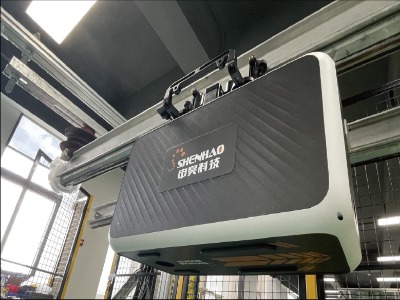
Maximize robot efficiency in welding and assembly shops. Discover rail-mounted robot wheels designed with anti-derailment precision and high-temperature resistance.
The rail layouts in automotive workshops are complex and variable: welding and general assembly shops require frequent turning; battery and component workshops feature large rail spans; and logistics areas may contain slopes and connection gaps. These conditions impose extremely high requirements on the structural design, material selection, and transmission precision of traveling wheel sets.
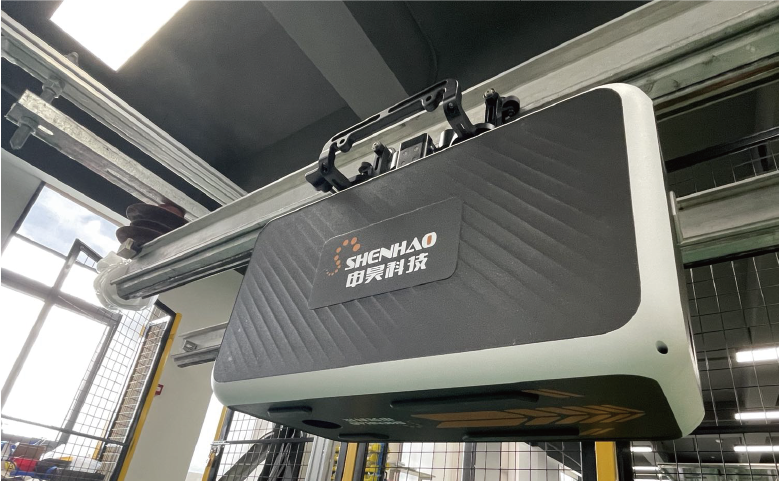
Currently, rail-mounted inspection robot adapted for the automotive industry universally adopt an integrated design featuring multi-wheel coordination and precision guidance and wear/impact resistance. The core technical highlights are concentrated in the following areas:
1. Wheel Set Structure
The mainstream design adopts a three-wheel coordinated structure consisting of a drive wheel + guide wheel + load-bearing wheel. Some high-end models incorporate anti-derailment wheels to form a comprehensive multi-dimensional constraint protection.
Drive Wheels: As the power core, these utilize a dual-wheel symmetric layout to ensure balanced power output.
Guide Wheels: These adhere to the side of the rail, using an elastic compression mechanism to automatically correct the direction of travel. This prevents drifting or jamming even on right-angle turns or small-radius curved tracks.
Load-bearing Wheels: Responsible for supporting the robot body and payload, these typically use a multi-group distributed layout to reduce pressure on individual wheels and enhance stability.
Shock Absorption: To address potential rail connection gaps in workshops, a buffer and shock-absorbing structure is designed to prevent violent shaking during transit, thereby safeguarding sensor detection precision.
2. Material Selection
Wheel body materials are precisely matched to the environmental characteristics of automotive workshops.
Core Material: The drive and load-bearing wheels mostly use high-strength Polyurethane (PU) materials. This materials combine high wear resistance, low noise, and excellent grip to meet the high-frequency demands of 24-hour non-stop operation while preventing wear on steel rails.
Special Environments: In the high-temperature environment of welding workshops, high-temperature resistant modifiers are added to the wheel body to prevent softening and deformation. In the corrosive environment of paint shops, the wheel set brackets are made of stainless steel to enhance corrosion resistance.
With continuous upgrades in material and transmission technologies, traveling wheel sets will develop towards becoming more wear-resistant, intelligent, and energy-efficient. This will further improve the operating efficiency and service life of robots, providing solid operation and maintenance support for high-quality production in the automotive industry.
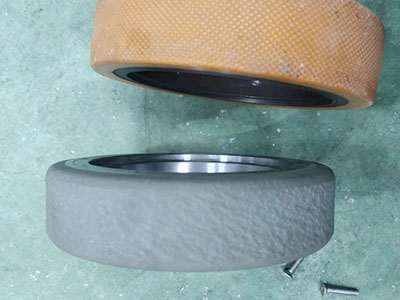
Learn how to choose the right food-grade wheels. Discover why stainless steel casters and polyurethane treads are optimal for hygiene and heavy loads.
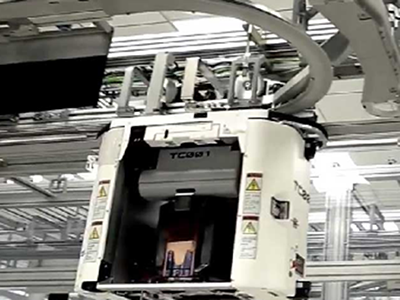
We have launched cleanroom-compatible polyurethane wheels, delivering ESD-safe mobility solutions for semiconductor AMHS and diverse high-tech logistics environments.
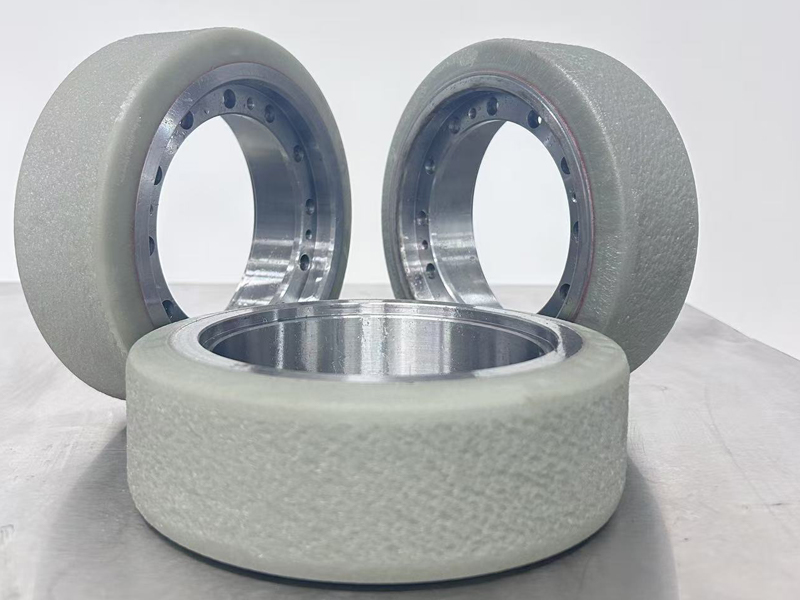
Food-grade polyurethane (PU) wheels for bakery equipment offer durable, non-slip, and hygienic solutions for bakery trolleys, conveyors, and food processing machinery.
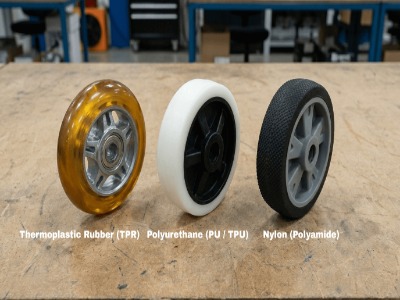
Compare Polyurethane, Nylon, and TPR based on particulate shedding, chemical resistance, and ESD properties. Learn how choosing the right wheel can improve product yield in semiconductor, pharmaceutical, and biotech environments.
Mailun is a Chinese supplier specializing in custom wheels for industrial automation production equipment used in food processing, automotive manufacturing, semiconductor cleanrooms, and other industries. Contact us for more information.