
No.19 Electronic Information Industry Park, Anfeng Town, Dongtai City, Jiangsu,China WhatsApp: +86 19941574218 CN
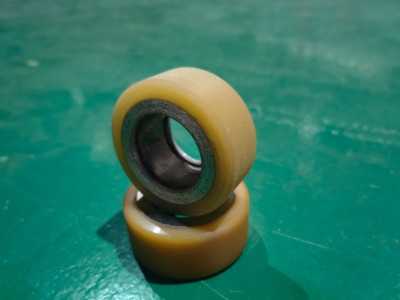
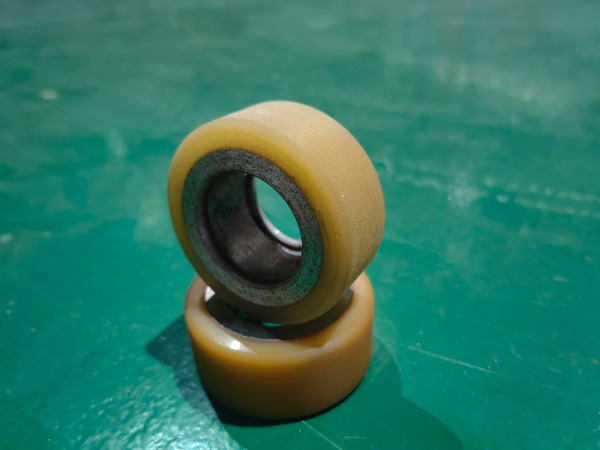
Medical grade wheels offer hygienic, durable, cleanroom-compliant performance, anti-static properties, chemical resistance, and a non-marking design for installation on carts, automated guided vehicles (AGVs), and more.
In the pharmaceutical industry, precision, hygiene, and safety are paramount. From raw material handling to packaging, every stage of drug production relies on specialized equipment—and many of these systems require pharmaceutical-grade wheels to ensure smooth, contamination-free operation. These wheels are designed with strict compliance to industry standards, supporting efficiency and reliability in highly controlled environments.
Throughout the drug manufacturing process, wheels are integrated into various machines and transport systems:
Material handling carts & trolleys: For transporting raw ingredients and intermediate products within cleanrooms.
Mixing and blending equipment: Movable mixers and blenders require durable wheels to allow repositioning and maintenance access.
Tablet presses and encapsulation machines: Some auxiliary units are mounted on wheeled frames for flexible movement.
Sterilization and washing units: Autoclaves, washer-disinfectors, and sterilizers often rely on wheel-supported racks or carriages.
Filling and packaging lines: Conveyors, mobile filling units, and inspection equipment use precision wheels for seamless workflow.
Automated guided vehicles (AGVs): Increasingly adopted in pharmaceutical plants, agvs with cleanroom wheels handle automated logistics.
Key characteristics of pharmaceutical-grade wheels
Unlike standard industrial wheels, pharmaceutical-grade wheels must meet strict performance and regulatory requirements:
Hygienic and easy to clean – smooth, non-porous surfaces prevent microbial growth and withstand frequent sterilization.
Chemical resistance – must resist cleaning agents, disinfectants, and sterilization chemicals without degradation.
Low particle emission – essential for cleanroom compliance (ISO class 5–8), ensuring no dust, debris, or rubber particles contaminate sensitive processes.
Non-marking and anti-static – prevent floor damage while minimizing electrostatic discharge that can affect sensitive equipment or powdered substances.
High load capacity & durability – capable of supporting heavy stainless steel equipment under continuous operation.
Smooth, quiet operation – low vibration and noise for stable equipment performance in precision environments.
Materials used in pharmaceutical-grade wheels
The choice of wheel material directly impacts performance, safety, and compliance in drug production facilities. Common materials include:
Polyurethane (PU): Excellent wear resistance, chemical resistance, and low particle shedding. Often used in AGVs, carts, and conveyors.
Nylon & polyamide: High strength and low friction, ideal for heavy equipment with strict cleanroom requirements.
Stainless steel cores: Provide structural reinforcement for heavy loads while maintaining corrosion resistance.
High-performance plastics (e.g., PEEK): Suitable for ultra-clean environments with excellent chemical and heat resistance.
Conductive/ESD materials: Used where static dissipation is required, particularly in powder handling.
Pharmaceutical-grade wheels are a critical yet often overlooked component in drug manufacturing. By ensuring contamination control, chemical resistance, durability, and compliance with cleanroom standards, these wheels support the safe and efficient production of medicines worldwide. Whether in material handling, processing, or packaging, selecting the right wheel materials and designs is essential to maintaining the integrity of pharmaceutical operations.
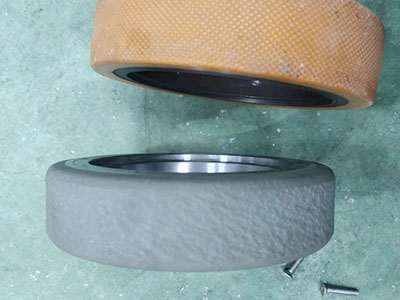
Learn how to choose the right food-grade wheels. Discover why stainless steel casters and polyurethane treads are optimal for hygiene and heavy loads.
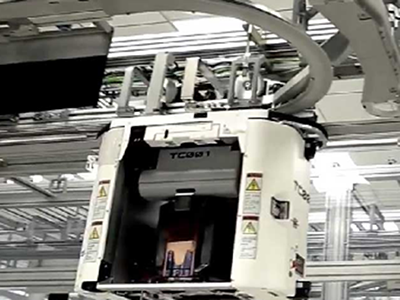
We have launched cleanroom-compatible polyurethane wheels, delivering ESD-safe mobility solutions for semiconductor AMHS and diverse high-tech logistics environments.
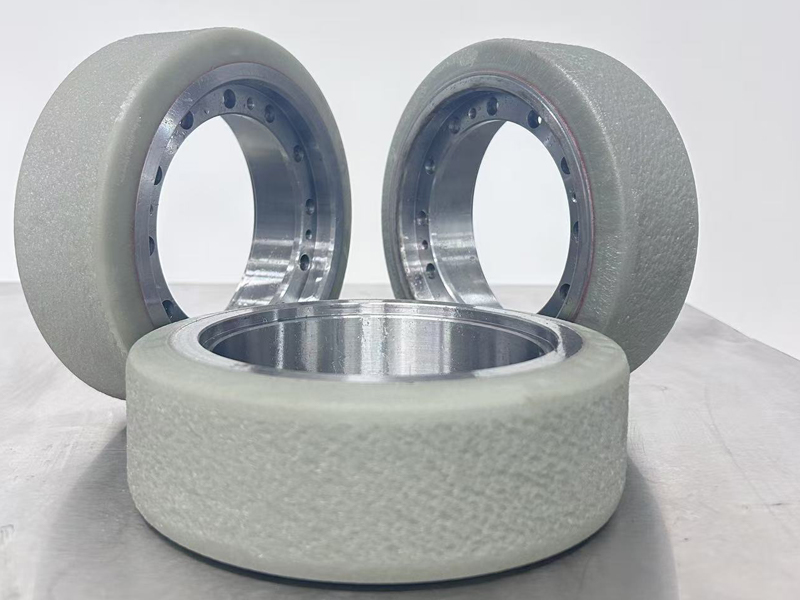
Food-grade polyurethane (PU) wheels for bakery equipment offer durable, non-slip, and hygienic solutions for bakery trolleys, conveyors, and food processing machinery.
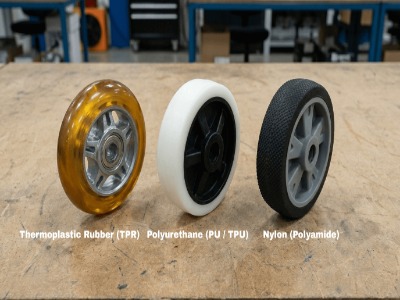
Compare Polyurethane, Nylon, and TPR based on particulate shedding, chemical resistance, and ESD properties. Learn how choosing the right wheel can improve product yield in semiconductor, pharmaceutical, and biotech environments.
Mailun is a Chinese supplier specializing in custom wheels for industrial automation production equipment used in food processing, automotive manufacturing, semiconductor cleanrooms, and other industries. Contact us for more information.