
No.19 Electronic Information Industry Park, Anfeng Town, Dongtai City, Jiangsu,China WhatsApp: +86 19941574218 CN
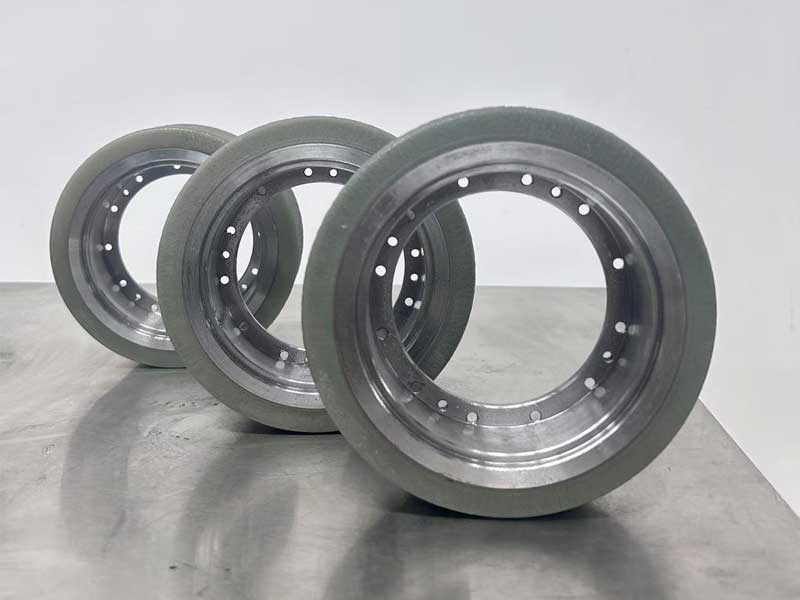
Polyurethane anti-skid wheels are a critical component in the operation of AGV carts in a ham sausage workshop. They offer a combination of durability, safety, and efficiency that allows the carts to navigate a potentially hazardous environment while ensuring smooth and controlled movement.
In the context of an AGV (Automated Guided Vehicle) cart used in a ham sausage workshop, the polyurethane anti-skid wheels play a crucial role in ensuring smooth, efficient, and safe operations. Let's break it down:
AGVs are commonly used in industrial settings like food processing workshops to automate material handling. In a ham sausage workshop, the AGV carts transport raw materials, ingredients, equipment, or finished products throughout the production line without human intervention. This automation helps reduce labor costs, minimize human error, and increase production efficiency.
The wheels of an AGV cart are critical for its smooth operation, stability, and safety. Polyurethane anti-skid wheels are specifically designed to address the unique demands of the workshop environment. Here’s a detailed look at these wheels:
a. Material Characteristics of Polyurethane
Durability: Polyurethane (PU) is known for its long-lasting properties. It is highly resistant to wear, ensuring that the wheels have a longer lifespan compared to other materials like rubber or plastic.
Shock Absorption: PU wheels are able to absorb shock and vibrations, which is important in environments where AGVs are navigating around machinery, equipment, and rough surfaces.
Chemical Resistance: In food production environments, there may be exposure to oils, fats, cleaning agents, or other chemicals. Polyurethane wheels are resistant to many chemicals, which prevents the wheels from degrading in such harsh conditions.
b. Anti-Skid Feature
Enhanced Traction: The anti-skid feature ensures that the AGV cart does not slip or lose traction, especially when navigating areas with wet floors or smooth surfaces. In a ham sausage workshop, where spills (such as oils or water) can occur frequently, the anti-skid wheels help maintain a secure grip on the floor.
Safety: Anti-skid wheels are vital for ensuring that the AGV carts remain stable and move in a controlled manner. This reduces the risk of accidents and ensures the safety of both the equipment and the workers in the workshop.
Precision Movement: The traction offered by anti-skid wheels enables the AGV to move precisely along its designated path, improving the accuracy of material transport and ensuring that products reach their destination without deviation.
In a ham sausage workshop, AGVs are often required to operate in environments with temperature fluctuations, humidity, and varying floor conditions. Polyurethane wheels offer a number of advantages in this setting:
Temperature Resistance: Polyurethane can withstand a wide range of temperatures, making it suitable for both refrigerated areas and warmer zones within the workshop.
Hygiene: Polyurethane is relatively easy to clean, which is critical in food production environments where sanitation standards are high. The wheels can be wiped down or sanitized as needed to prevent cross-contamination.
Quiet Operation: The smooth nature of polyurethane wheels ensures that AGVs run quietly, which is especially important in large, busy workshops where noise could be disruptive.
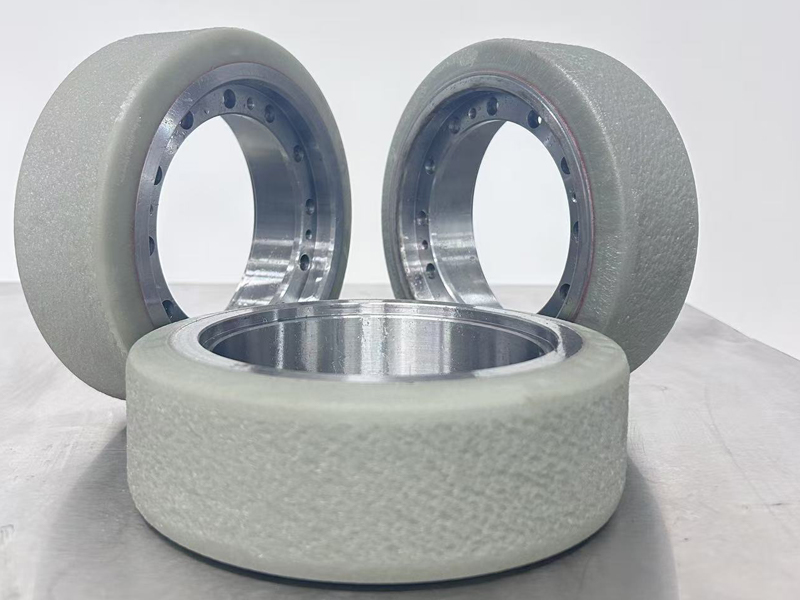
Low Maintenance: Because of their durability and wear resistance, polyurethane anti-skid wheels reduce the frequency of replacements and maintenance. This translates into lower operational costs for the workshop.
Energy Efficiency: The smooth rolling action of polyurethane wheels reduces friction, which means the AGVs consume less energy when moving. This can lead to lower energy costs for the facility, especially if the AGVs are used extensively throughout the day.
Polyurethane anti-skid wheels are a critical component in the operation of AGV carts in a ham sausage workshop. They offer a combination of durability, safety, and efficiency that allows the carts to navigate a potentially hazardous environment while ensuring smooth and controlled movement. The high-performance characteristics of these wheels are essential for maintaining productivity, reducing maintenance costs, and ensuring the safety and hygiene standards required in food processing environments.
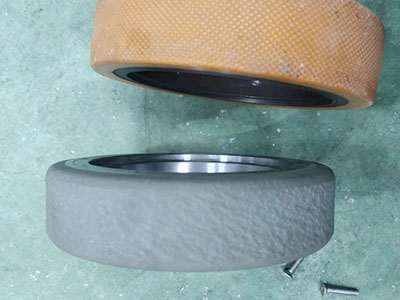
Learn how to choose the right food-grade wheels. Discover why stainless steel casters and polyurethane treads are optimal for hygiene and heavy loads.
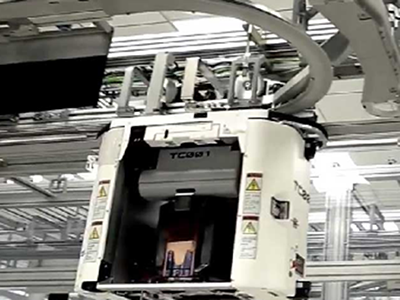
We have launched cleanroom-compatible polyurethane wheels, delivering ESD-safe mobility solutions for semiconductor AMHS and diverse high-tech logistics environments.
Food-grade polyurethane (PU) wheels for bakery equipment offer durable, non-slip, and hygienic solutions for bakery trolleys, conveyors, and food processing machinery.
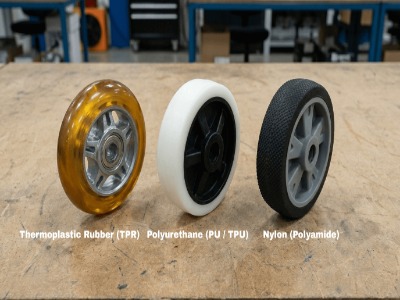
Compare Polyurethane, Nylon, and TPR based on particulate shedding, chemical resistance, and ESD properties. Learn how choosing the right wheel can improve product yield in semiconductor, pharmaceutical, and biotech environments.
Mailun is a Chinese supplier specializing in custom wheels for industrial automation production equipment used in food processing, automotive manufacturing, semiconductor cleanrooms, and other industries. Contact us for more information.