
No.19 Electronic Information Industry Park, Anfeng Town, Dongtai City, Jiangsu,China WhatsApp: +86 19941574218 CN
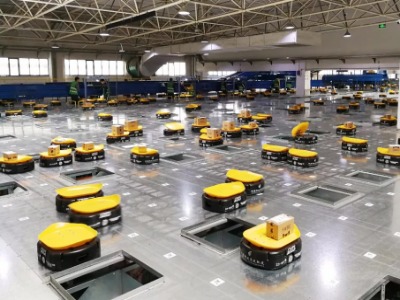
Polyurethane-coated wheels improve traction, reduce noise and floor wear for robotic sorters in express logistics centers. Learn specs, durometer choices, and TCO.
Automated express logistics sorting centers depend on fleets of robotic sorters to move parcels quickly, accurately, and reliably. While sensors, software, and mechanical design usually get most of the attention, wheel systems are a silent enabler of throughput, uptime and safety. Selecting the right wheel material, especially polyurethane-coated wheels, has outsized impact on traction, noise, floor preservation, and lifecycle cost.
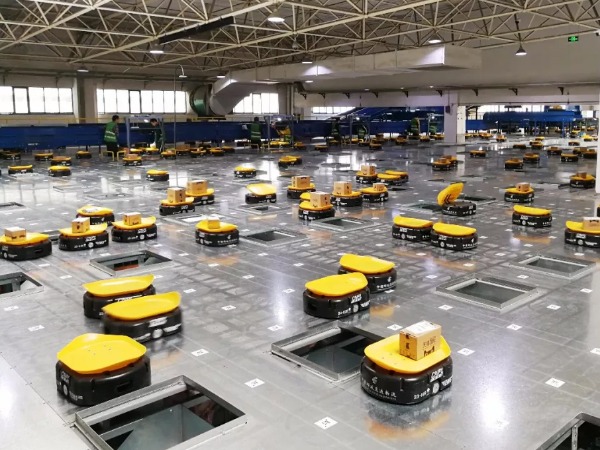
Robotic sorters in modern sorting centers Robotic sorters (autonomous mobile robots, conveyor-mounted pick-and-place robots, and hybrid sorter bots) commonly perform continuous, repetitive motion while carrying varying parcel sizes and weights.
Typical operational demands include: ①Frequent starts/stops and direction changes. ②Repeated impacts and edge loading. ③Exposure to dust, moisture, oils and packing debris. ④High duty cycles (many hours per day, 7 days a week).
Key advantages:
Excellent abrasion resistance — longer life under conveyor and robot duty cycles than many rubber compounds.
High rebound and controlled hysteresis — good energy return for efficient rolling, yet sufficient damping to reduce shock loading.
Adjustable hardness (durometer) — engineers can tune traction vs. wear by choosing grades typically between Shore A 70–95.
Low noise and vibration — PU reduces squeal and harsh noise compared with hard plastics or metals.
Good chemical and contamination resistance — many PU formulations resist oils, greases and packing adhesives better than natural rubber.
Good floor friendliness — reduces scuffing and abrasion of epoxy and painted concrete floors.
Design and specification considerations When specifying polyurethane-coated wheels for robotic sorters, consider these parameters: - Durometer (shore A): 70–80A for higher shock absorption and grip; 80–95A for higher loads and wear resistance. - Wheel diameter & width: larger diameters reduce rolling resistance and improve life; width affects load distribution and cornering stability. - Core material: aluminum or nylon cores for strength and thermal stability; steel cores for very high loads. - Tread profile: crowned or tapered treads for directional steering; flat treads for maximum contact and traction. - Bonding: strong chemical or vulcanized bonds between PU and core reduce delamination risk. - Operating temperature range: confirm formulation for ambient temperature range (many PUs operate from about -30°C to +80°C; select specialty grades for extremes). - Environmental resistance: select oil/chemical resistant PU grades for exposure to cleaning agents or lubricants.
Polyurethane-coated wheels are often the best compromise between traction, durability, noise control, and floor protection for robotic sorters in automated express logistics centers.
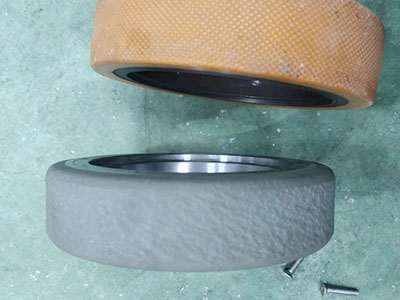
Learn how to choose the right food-grade wheels. Discover why stainless steel casters and polyurethane treads are optimal for hygiene and heavy loads.
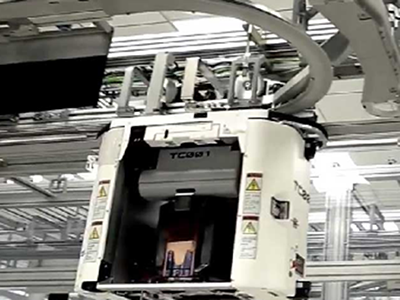
We have launched cleanroom-compatible polyurethane wheels, delivering ESD-safe mobility solutions for semiconductor AMHS and diverse high-tech logistics environments.
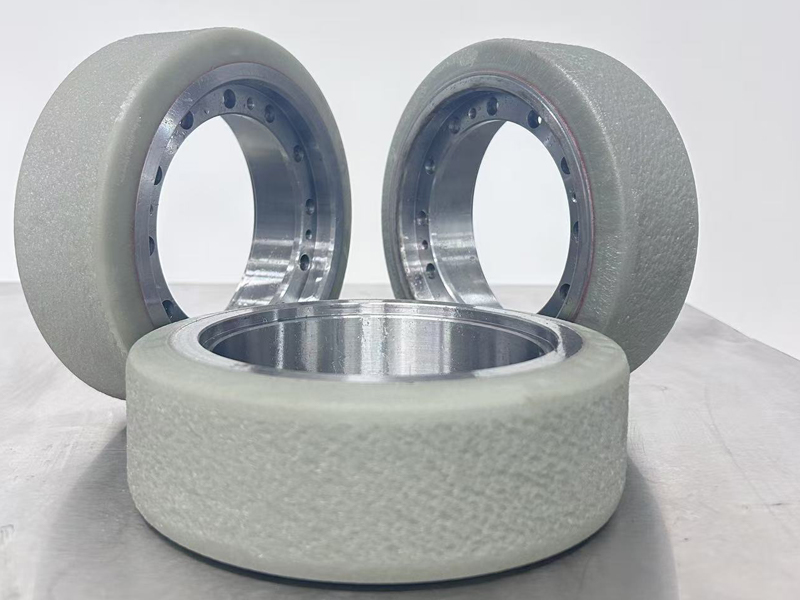
Food-grade polyurethane (PU) wheels for bakery equipment offer durable, non-slip, and hygienic solutions for bakery trolleys, conveyors, and food processing machinery.
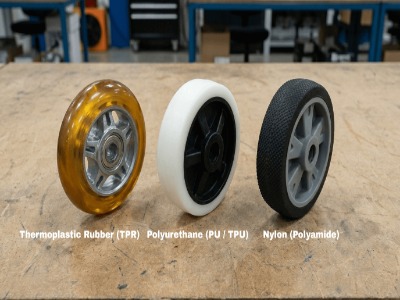
Compare Polyurethane, Nylon, and TPR based on particulate shedding, chemical resistance, and ESD properties. Learn how choosing the right wheel can improve product yield in semiconductor, pharmaceutical, and biotech environments.
Mailun is a Chinese supplier specializing in custom wheels for industrial automation production equipment used in food processing, automotive manufacturing, semiconductor cleanrooms, and other industries. Contact us for more information.